
| | |  Puerto Vallarta Real Estate Puerto Vallarta Real Estate 
Timothy Real Estate Group: Mexican Real Estate FAQs
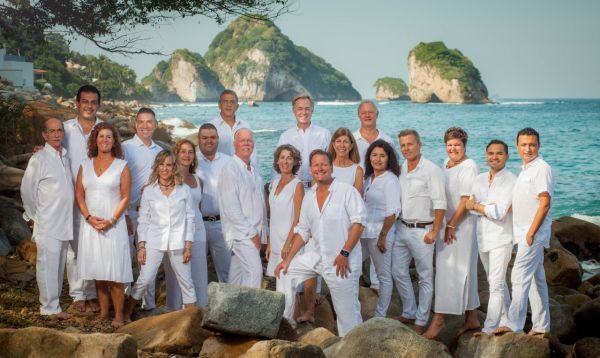
| | The professional realtors at Timothy Real Estate Group in Puerto Vallarta answer questions about buying real estate in Mexico; real property transfers, bank trusts, etc., for foreign buyers of Mexican real estate. |
 Can a USA or Canadian citizen own real estate in Mexico? Can a USA or Canadian citizen own real estate in Mexico?
Can I own property near or in front of the ocean?
Who is involved in a Bank Trust?
How much does the Bank Trust cost?
Are there additional fees for the Bank Trust?
How does the Trust function?
What are my rights as a buyer?
Is the Trust renewable?
Who is involved in Real Estate transactions in Mexico?
What role does a Public Notary play?
What are these official documents?
If at a later date I decide to sell my property, can anyone buy it?
If the buyer is a foreigner, is his interest limited to the balance of my 50-year period?
When buying/selling a property in Mexico, who pays closing costs?
How much is the transfer tax?
How much are closing costs?
How long does the home buying process take?
How do I pay for a real estate purchase?
Is there a difference between an agent and a realtor?
Q: Can a USA or Canadian citizen own real estate in Mexico?
A: Yes, by placing the property in a bank trust. (Fideicomiso)
Top of Page
Q: Can I own property near or in front of the ocean?
A: Yes, laws passed in 1973 and 1993 have made it possible for foreigners, foreign firms, and Mexican firms with foreign participation to acquire interests in coastal real estate through a bank trust.
Top of Page
Q: Who is involved in a bank trust?
A: Three parties. The seller of the property is the Trustor, the bank is the Trustee (Fiduciario), and the buyer is the Beneficiary (Fideicomisario.)
Top of Page
Q: How much does the Bank Trust cost?
A: Based on the current fees, the bank charges parties opening a Bank Trust the initial fee of approximately $500 USD for establishing the Trust plus they collect the first year's annual fee of about $500 depending on the bank.
Top of Page
Q: Are there additional fees for the Bank Trust?
A: Yes. The bank charges an annual fee to cover its services as a Trustee. This fee is usually between $450 and $600 USD.
Top of Page
Q: How does the trust function?
A: Title of the property is transferred to a trust with a Mexican bank acting as Trustee. The Trust Agreement is formalized by the issuance of a permit from the Mexican Ministry of Foreign Affairs. The property buyer is designated as Beneficiary in the Trust and the beneficiary rights are recorded in the public record by a Notary Public.
Top of Page
Q: What are my rights as a buyer?
A: The Trust is a legal substitute for fee simple ownership, but in many cases, the Trustee is the legal holder of the property. As Beneficiary, you have the right to sell your property without restriction. You may also transfer your rights to a third party or pass it on to named heirs.
Top of Page
Q: Is the Trust Renewable?
A: Yes. According to the Foreign Investment Law passed in 1993, trusts can be renewed for an indefinite number of successive 50 year periods. In effect they can run in perpetuity if you do not change your trust administration bank at any time.
Top of Page
Q: Who is involved in Real Estate transactions in Mexico?
A: Normally there are five players involved in a real estate transaction. These are the real estate company(ies), the seller, the buyer, a bank, and a Public Notary.
Top of Page
Q: What role does a Public Notary play?
A: A Public Notary is a government-appointed lawyer who processes and certifies all real estate transactions including drawing up and reviewing all official documents to ensure the proper transfer of the property.
Top of Page
Q: What are these official documents?
A: The official documents which are required by law in order to transfer the ownership of property in Mexico include a no-lien certificate based on a complete title search from the Public Property Registry, a statement from the municipality regarding property assessments, water bills, and other pertinent taxes that might be due, and an appraisal of the property for tax purposes.
Top of Page
Q: If at a later date I decide to sell my property, can anyone buy it?
A: Yes. If the buyer is also a foreigner, you can simply assign the beneficial rights to your trust. If the buyer decides to open their own new trust with a bank, they also have that option. If the new buyer is a Mexican National, you can instruct the bank to transfer title to the buyer.
Top of Page
Q: If the buyer is a foreigner, is his interest limited to the balance of my 50-year period?
A: Yes and No. If a buyer takes over an existing trust they can renew or extend the trust for an additional 50 years after the remaining years expire. For a buyer getting a new trust they will automatically have a 50-year trust.
Top of Page
Q: When buying or selling a property in Mexico, who pays the closing costs?
A: It is common practice that the buyer pays the transfer of acquisition tax and all other closing costs, including the Notary's fees and expenses, while the seller pays his capital gains tax and the broker's commission.
Top of Page
Q: How much is the transfer tax?
A: The real estate transfer tax ranges between 2% to 4% of the tax appraisal value, which is generally less than the sales value.
Top of Page
Q: How much are closing costs?
A: The rest of the closing costs, excluding the transfer taxes, vary from 3% to 5% of the selling price.
Top of Page
Q: How long does the home buying process take?
A: The buying process takes from 30 to 60 days when using a Bank Trust. The process usually takes a week for Mexican national buyers.
Top of Page
Q: How do I pay for a real estate purchase?
A: An Escrow service held by a third party on behalf of the buyer and seller manages the money portion of the transaction.
Top of Page
Q: Is there a difference between an agent and a realtor?
A: Yes, a REALTOR is a professional real estate agent who holds membership in the National Association of Realtors through membership in the Mexican Association of Professional Real Estate Agents (AMPI). A REALTOR is held to a higher standard of ethics and strict codes of conduct and continuing education. Ask for an AMPI agent.
 Timothy Real Estate Group is a full-service real estate sales, rentals and development agency representing some of the most distinguished properties and developments across Puerto Vallarta, Bahía de Banderas and the Riviera Nayarit. For more information, visit TimothyRealEstateGroup.com. Timothy Real Estate Group is a full-service real estate sales, rentals and development agency representing some of the most distinguished properties and developments across Puerto Vallarta, Bahía de Banderas and the Riviera Nayarit. For more information, visit TimothyRealEstateGroup.com.
Click HERE to learn more about Timothy Real Estate Group |
|
| |


 Vallarta Weddings
 Site Map
 Print this Page
 Email Us